The BraveSwim™ Method
Survival Comes First. On Purpose.
BraveSwim™ is the survival-first swim method created and taught only by Catch the Wave Swim Club. Most swim programs start with strokes; we start with survival. BraveSwim takes every swimmer, from babies to adults, from floating and breath control, to self-rescue, to strong, confident swimming.
Find a LocationWhat makes BraveSwim different from regular swim lessons?
Regular lessons usually teach strokes first. BraveSwim teaches swimmers to get to the surface, roll onto their back and float before strokes, guided by five principles: Survival-First, Emotionally Intelligent, Measurable Progress, Joyful Confidence and Comprehensive Water Safety.
The BraveSwim™ Method
Our signature curriculum. Developed by Catch the Wave. Taught only at Catch the Wave.
BraveSwim is one method across every level. Coaches follow the same skill path, track progress against the same benchmarks, and celebrate the same milestones, so a swimmer’s progress carries from one level to the next.
What Will Your Swimmer Learn?
Every swimmer starts with survival. If they ever ended up in the water with no one nearby, they can come up to the surface, float on their back, and call for help.
From there, BraveSwim keeps going at every age and ability: swimmers build self-rescue, independent swimming, strokes, technique, and endurance, all the way to advanced swim training.
Before Strokes Come Control.
Strokes matter. But first, swimmers need control: the ability to breathe, recover, float, orient, move toward safety, and stay composed.
- Breath Control
- Recover to the Surface
- Floating
- Orientation
- Move Toward Safety
- Stay Composed
This is the foundation BraveSwim builds from.
Five Principles. One Method.
How we teach, challenge, support, and develop every swimmer.
Survival-First
We start with real safety: floating, breath control, and recovery, before strokes or speed.
Survival-First
We start with real safety: floating, breath control, and recovery, before strokes or speed.
Emotionally Intelligent
Calm, structured teaching that respects each swimmer’s readiness while keeping progress moving.
Emotionally Intelligent
Calm, structured teaching that respects each swimmer’s readiness while keeping progress moving.
Measurable Progress
Every level has clear benchmarks parents can follow. Track 200 BraveSwim skills online, with free skill assessments anytime.
Measurable Progress
Every level has clear benchmarks parents can follow. Track 200 BraveSwim skills online, with free skill assessments anytime.
Joyful Confidence
Confidence grows through consistent success and earned recognition. Tokens, medals, certificates, and milestone celebrations make every lesson motivating.
Joyful Confidence
Confidence grows through consistent success and earned recognition. Tokens, medals, certificates, and milestone celebrations make every lesson motivating.
Comprehensive Water Safety
Age-appropriate Water Safety Labs teach safe entry and exit, situational awareness, and decision-making, including fully clothed swim simulations.
Comprehensive Water Safety
Age-appropriate Water Safety Labs teach safe entry and exit, situational awareness, and decision-making, including fully clothed swim simulations.
From Survival to Strong Swimmer.
Every level builds on the same BraveSwim foundation. Swimmers start where their skills are today and move through comfort and survival, self-rescue, and swim training as they progress.
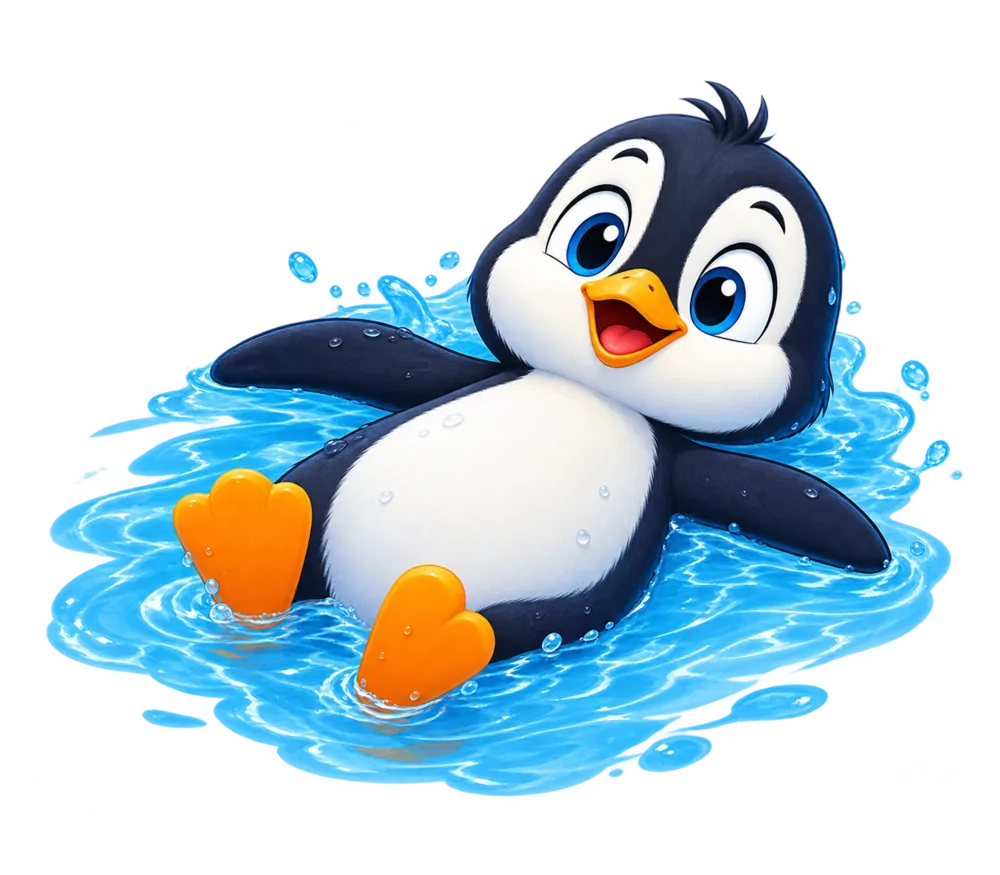
Comfort and Survival
Water comfort, breath control, floating, and rolling to the surface.
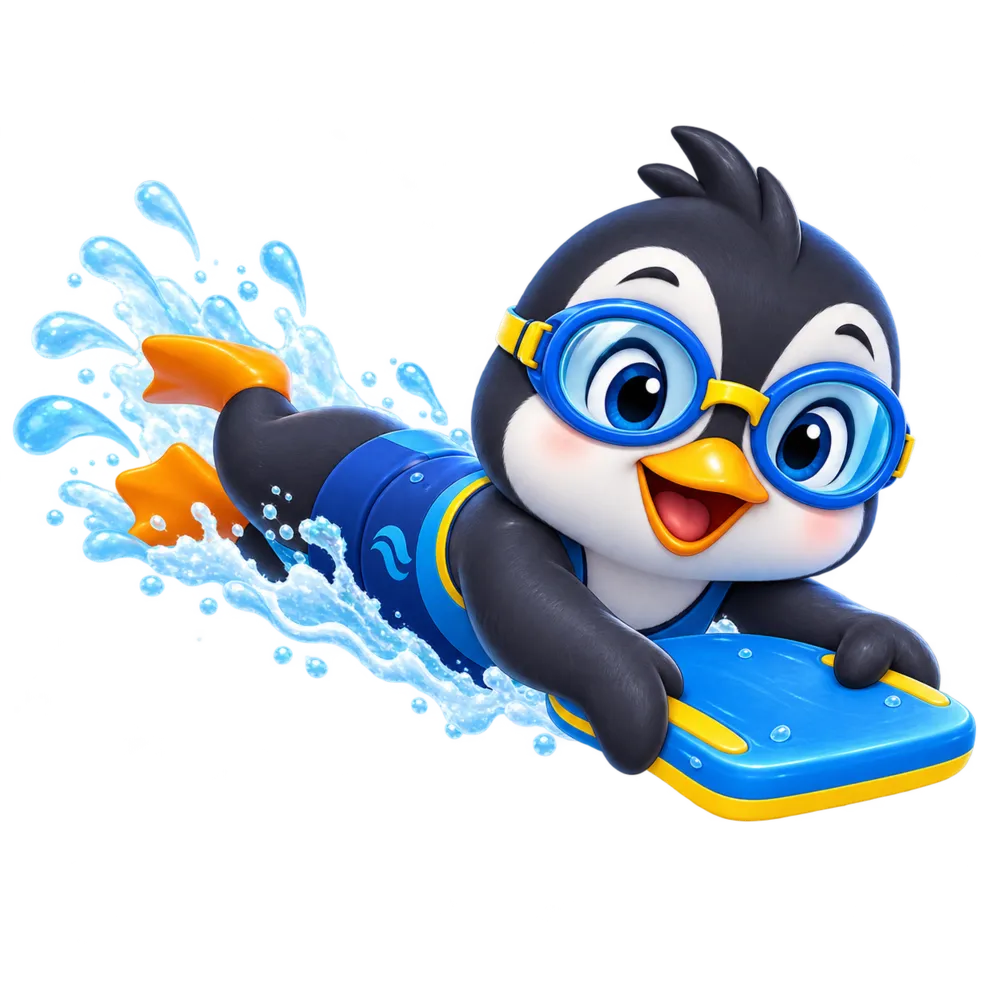
Self-Rescue
Recovering, floating, and moving to safety on their own, while building independent swimming.
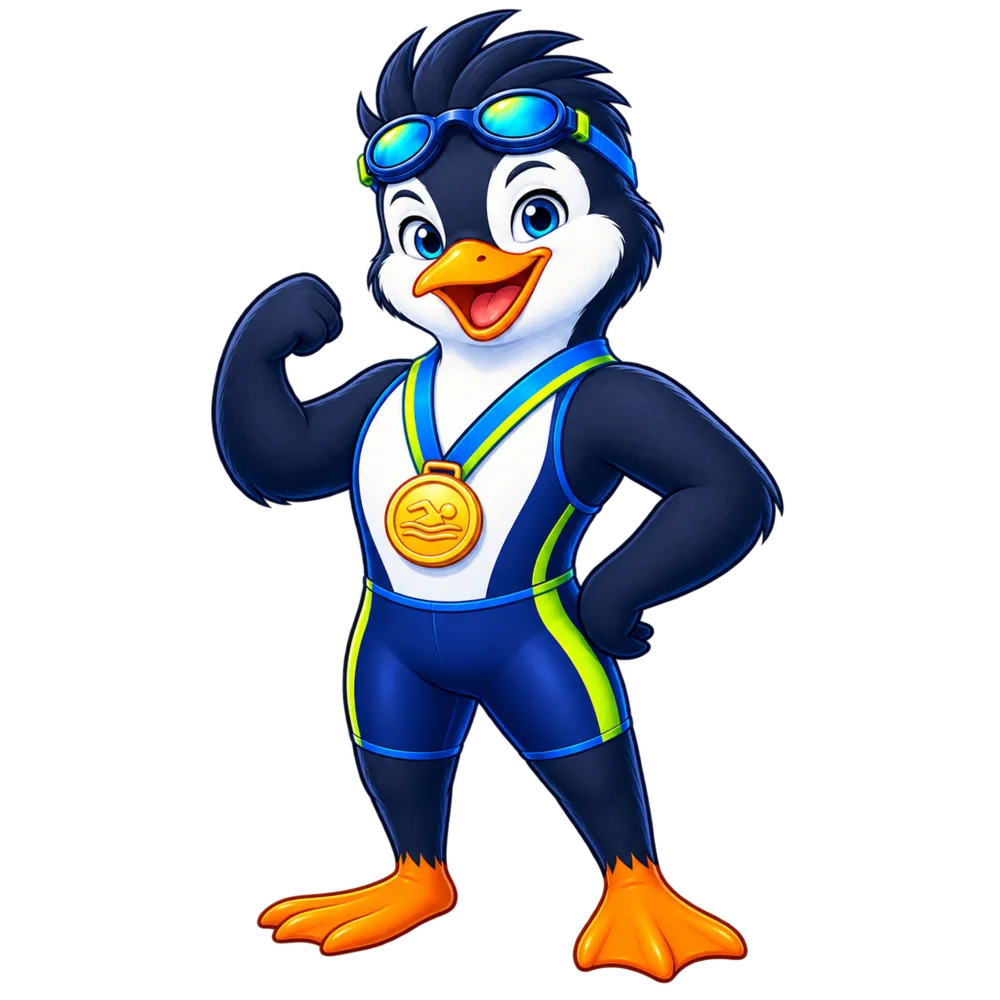
Swim Training
Stronger technique, efficiency, and endurance, built on a safe, confident base.
BraveSwim also guides our Adult & Teen Swim Lessons and Special Needs Swim Lessons.
Find Your Swimmer’s Exact Level.
Our quick placement assessment helps determine the specific Catch the Wave level that best fits your swimmer.
Traditional Swim Lessons vs. Catch the Wave BraveSwim™
Many families do not realize there are two different ways to start swim lessons. Traditional lessons start with water comfort and strokes. Survival swim lessons start with floating, breath control, and self-rescue. BraveSwim combines the two: survival skills first, taught by trained coaches with the structure of traditional lessons.
Core Focus
TRADITIONAL LESSONS AT OTHER PROGRAMS
Water comfort, basic strokes, and general pool skills
Catch the Wave BraveSwim™
Survival-first safety combined with confidence, joy, and lifelong swimming skills: floating and self-rescue first, then strokes, technique, and endurance
Teaching Approach
TRADITIONAL LESSONS AT OTHER PROGRAMS
Often larger group classes with a general progression
Catch the Wave BraveSwim™
Structured one-on-one or small-group lessons blending comfort, safety, and measurable progress
Emotional Environment
TRADITIONAL LESSONS AT OTHER PROGRAMS
Pacing and instruction vary widely by program
Catch the Wave BraveSwim™
Calm, individualized coaching that respects each swimmer’s readiness while consistently building skills and taking on new challenges
Coach Training
TRADITIONAL LESSONS AT OTHER PROGRAMS
Varies widely. Many programs rely on a lifeguard certification and personal swimming experience
Catch the Wave BraveSwim™
Extensive training through BraveCoach Academy in survival-first instruction, water safety, and adaptive and anxious-swimmer support
See what to expect from our coachesIf a Swimmer Falls In
TRADITIONAL LESSONS AT OTHER PROGRAMS
Not always covered
Catch the Wave BraveSwim™
Swimmers learn to come to the surface, float on their back, and call for help
How Progress Is Measured
TRADITIONAL LESSONS AT OTHER PROGRAMS
Often a general progression through classes
Catch the Wave BraveSwim™
Clear skill benchmarks, with 200 skills tracked online and free assessments at any time
Outcome
TRADITIONAL LESSONS AT OTHER PROGRAMS
Typically a swimmer who is comfortable in the pool
Catch the Wave BraveSwim™
Calm, capable, confident swimmers who are better prepared for real-world water situations
Every swim program is different. This comparison describes common approaches in traditional swim lessons and may not reflect every provider.
Roll to a Back Float
Back Float at the Steps
Swim, Then Float
BraveSwim™ FAQ
Answers about how BraveSwim works, what swimmers learn, and how it compares.
Ready to Get Started?
Tell us what you're interested in and where you'd like to swim, and we'll walk you through the next steps.
- 1Tell Us What You're Looking For
- 2Choose Your Location
- 3We'll Help You Get Started
Nothing is booked or charged until you've talked with our team.